Places
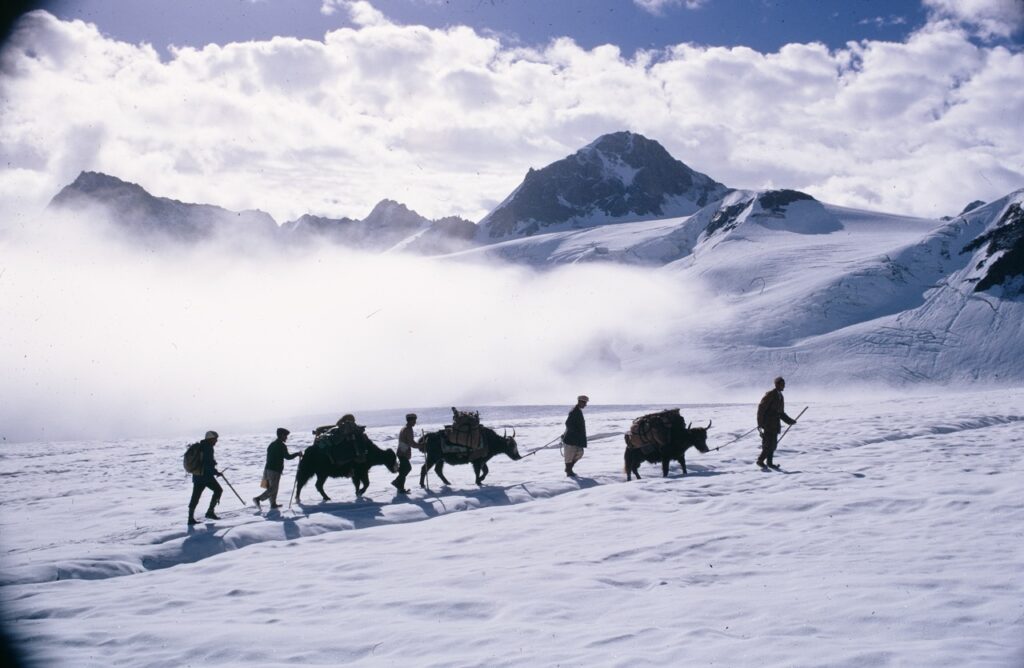
Schaller worked in 32 countries, Miriam Horn writes in Homesick for a World Unknown, but dedicated himself above all to the wilds of Asia, rich in biodiversity but least attended to by Western science.
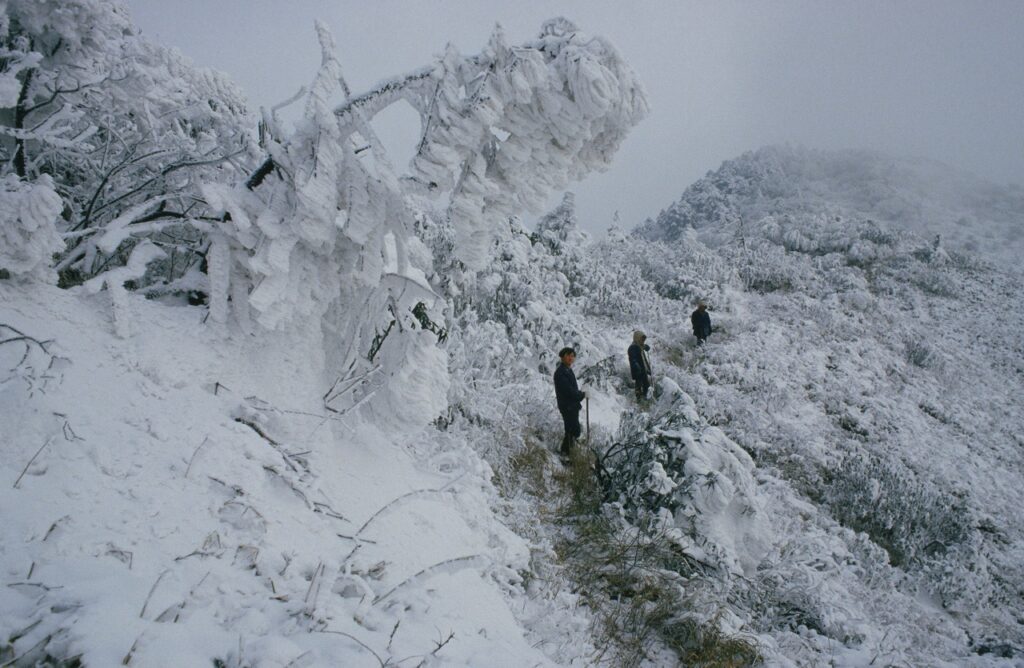
After more than a decade with India’s tigers and the grand mountain goats and sheep and snow leopards of Pakistan and Nepal, in 1980 he became the first westerner invited by China to study the giant panda.
The trust he earned in five years navigating the beleaguered creature’s iced jungles and impossible politics won Schaller unprecedented access for the rest of his life. Over the next 40 years, he made 65 trips to the Tibetan Plateau. Since animals cross national borders, he did too, adding many journeys to China’s north, south and west, walking or riding camels or yaks across Mongolia, Laos, Vietnam, Myanmar, Indonesia, Tajikistan, Afghanistan and Iran.
Protections for Wildlife and Traditional Peoples
The Parks Schaller helped to create on these landscapes together cover an area larger than France. His first was the Arctic National Wildlife Refuge: joining at age 23 the famous 1956 Sheenjek expedition, he wrote the trip report that helped ultimately persuade Eisenhower.
The reserves he then helped create in central Asia—Khunjerab in northeast Pakistan in 1975; Taxkorgan in China in 1984; Wakhan in Afghanistan in 2014—protect migrants crossing some of the world’s tensest borders, including Marco Polo sheep and snow leopards. Greatest of all is the Chang Tang National Nature Reserve in northern Tibet, second in area only to Northeast Greenland National Park, which George likes to note is mostly ice. The world’s highest elevation park protects many endemic species, including wild yak, Tibetan argali, Tibetan wild gazelles, Tibetan wild ass, Tibetan brown bear and the Tibetan antelope or chiru. It also, like most of these parks, protects traditional grazing and hunting by local people.
New from Miriam Horn