Lessons from the Wild, Elusive Life of a Conservation Giant; Gary Rosen review for The New York Times
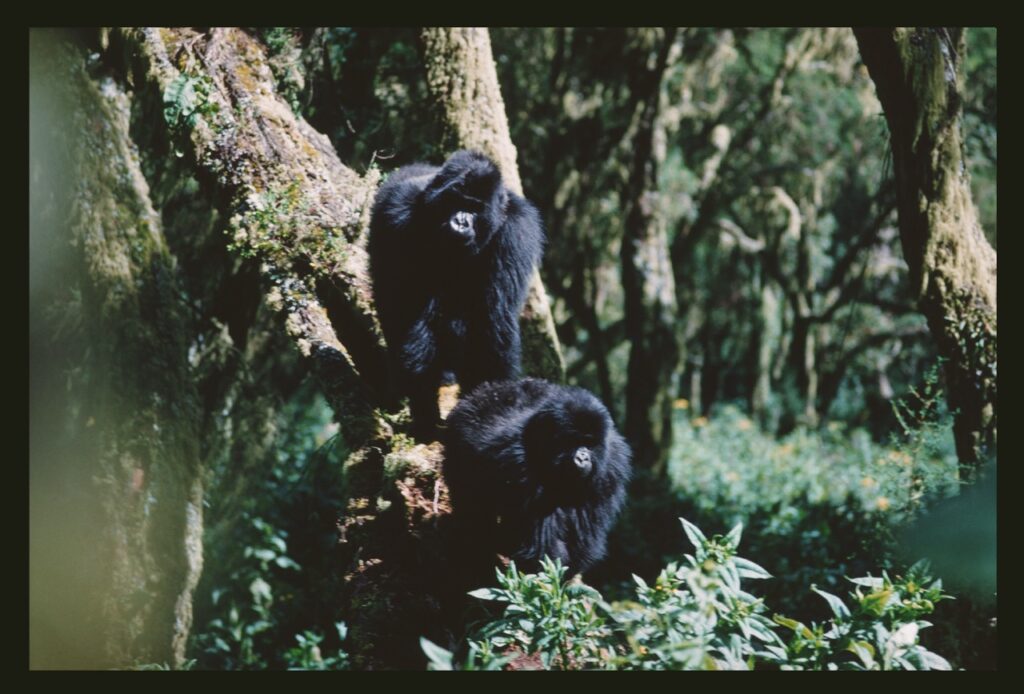
In 1959, when the 26-year-old George Schaller arrived in the Belgian Congo as a graduate student in zoology, the little that was known about mountain gorillas came almost exclusively from the study of dead ones. The very idea of observing — rather than trapping or shooting — the massive, chest-beating primates was considered foolhardy. Some experts advised Schaller to wear armor; everyone thought he should carry a weapon. Instead, he took a local tracker’s advice: If one charges, “don’t run.”
Schaller didn’t just hold his ground; he settled into the dense jungle of the Virunga Mountains and became a familiar, unguarded presence for over 400 hours, recording the gorilla world as no one ever had. He collected every sort of data about their habits — from what they ate and excreted to how they roamed, played and mated — and he observed them with a novelist’s eye. “The animals ceased to be anonymous members of a species,” Schaller later wrote, “and became individuals, each with foibles, sensitivities, problems, family ties, traditions and past experiences.”
Read the full review>