Miriam Horn in conversation with Mongabay editor Rhett Butler, on writing Homesick for a World Unknown, her biography of George Schaller
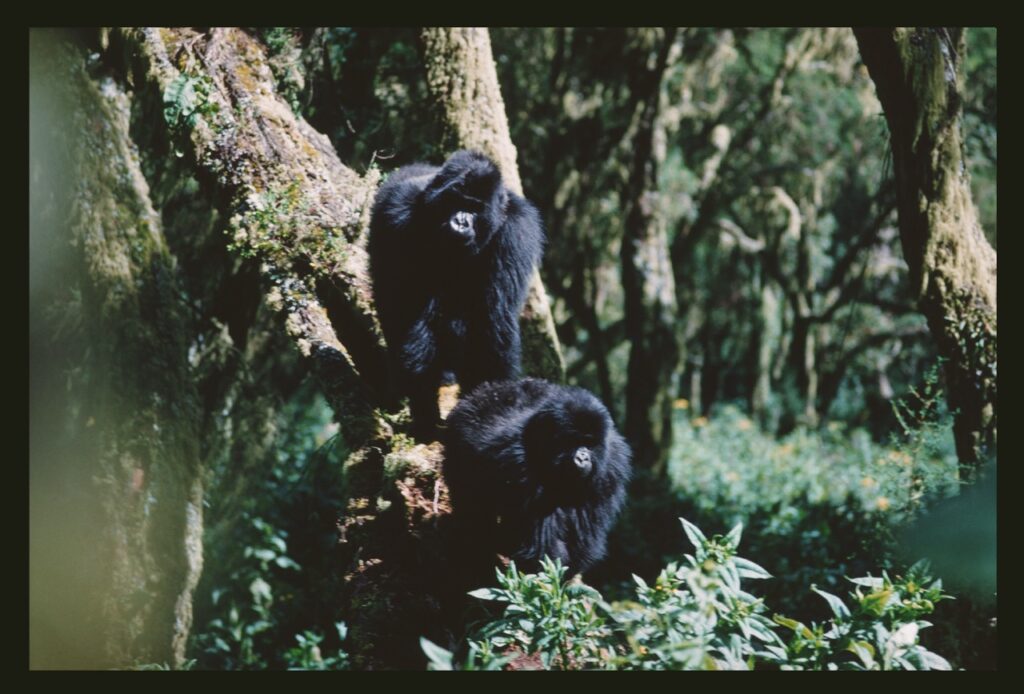
Mongabay: You open with Schaller’s decision to approach mountain gorillas without a gun, despite widespread warnings. Why did you choose that entry point for his story?
Miriam Horn: Well, it’s hard to beat a 400-pound silverback beating his chest and charging for sheer drama. But the gorillas were also where he first upended both scientific practice and our understanding of animals, seeding the way he would work for the rest of his life. Until then, zoologists had mostly studied big wild animals only after they were dead, or at best caged. George was the first to meet these creatures in their world, and on their terms. Visiting the gorillas week after rainy week until they got used to his presence, he over the next two years came to know their distinct personalities and rich social lives. That they were so obviously kin—as tender, antic, anxious, lazy, jealous, petulant and sorrowful as any troop of humans—bequeathed him an empathy he carried to truly fierce predators. And that they were indeed not what the experts had told him fortified an anti-dogmatism he would also carry for the rest of his life, so impressing Michael Crichton that he wrote George into the sequel of Jurassic Park, offered to a young scientist as an exemplar, a renegade who proved expert after expert to be “wrong…just wrong.”
Read the full interview>